
Perspective.
Twelve people in Miami, Tokyo and London. Each found their work the long way round. These are their stories, and the frames they wear.

Camila
Miami

Camila
South Beach

Andre
Brickell

Sofia
Coconut Grove
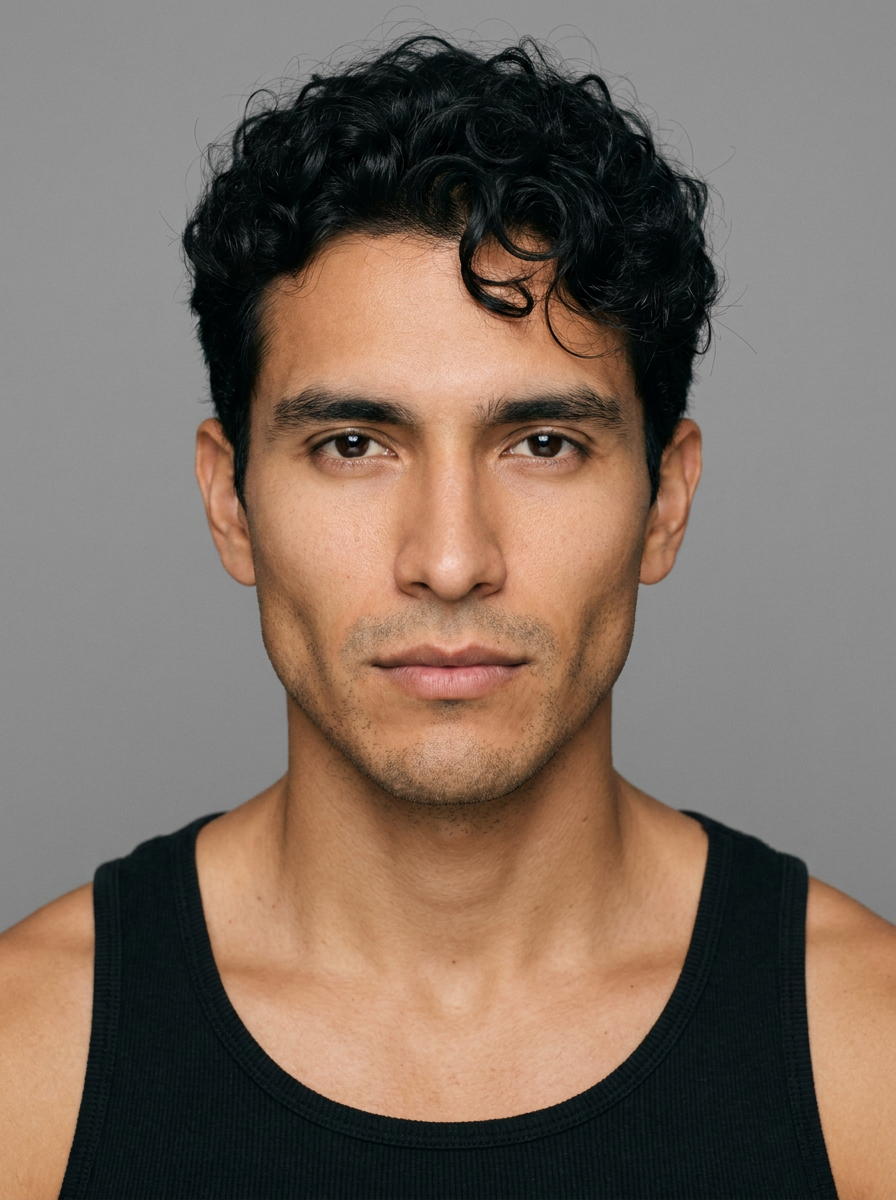
Mateo
Miami

Mateo
Biscayne

Aiko
Tokyo

Aiko
Ebisu
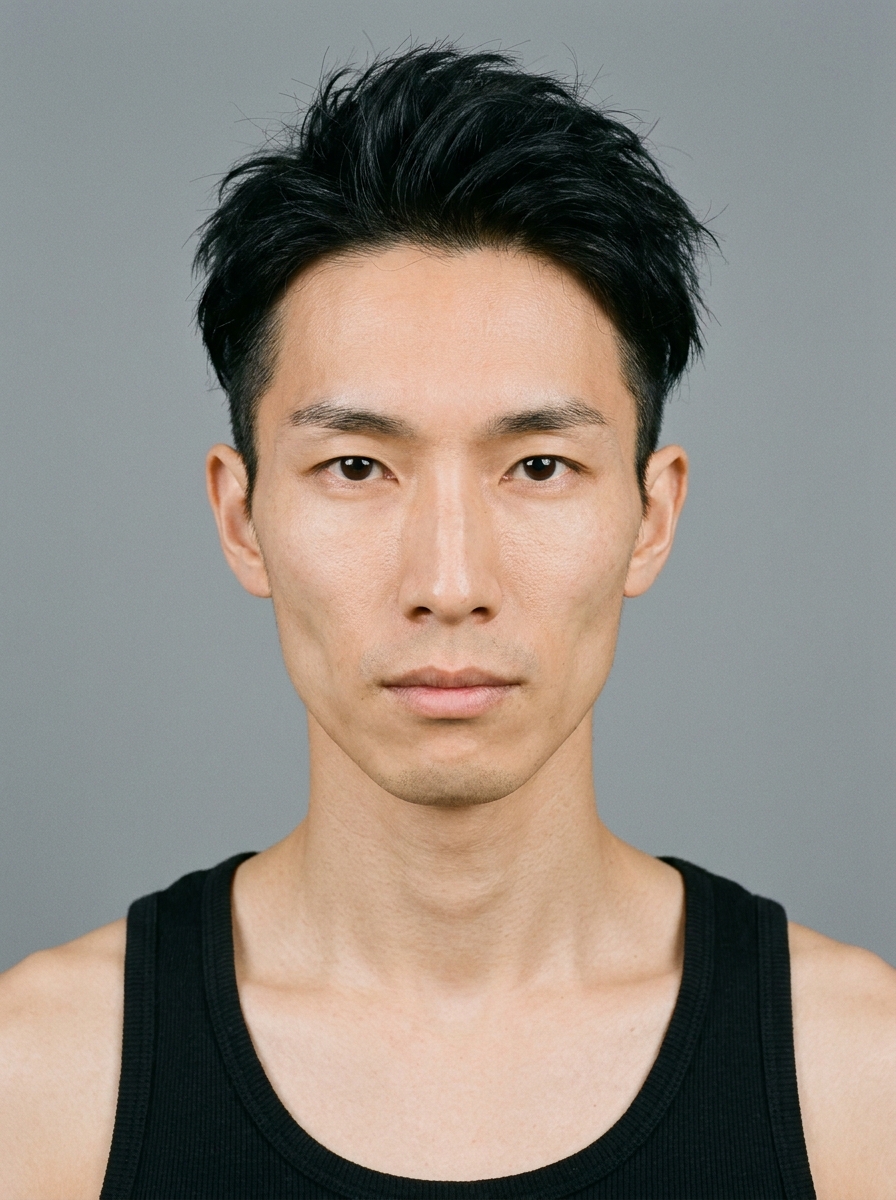
Kenji
Tokyo

Kenji
Ginza

Mei
Shinjuku
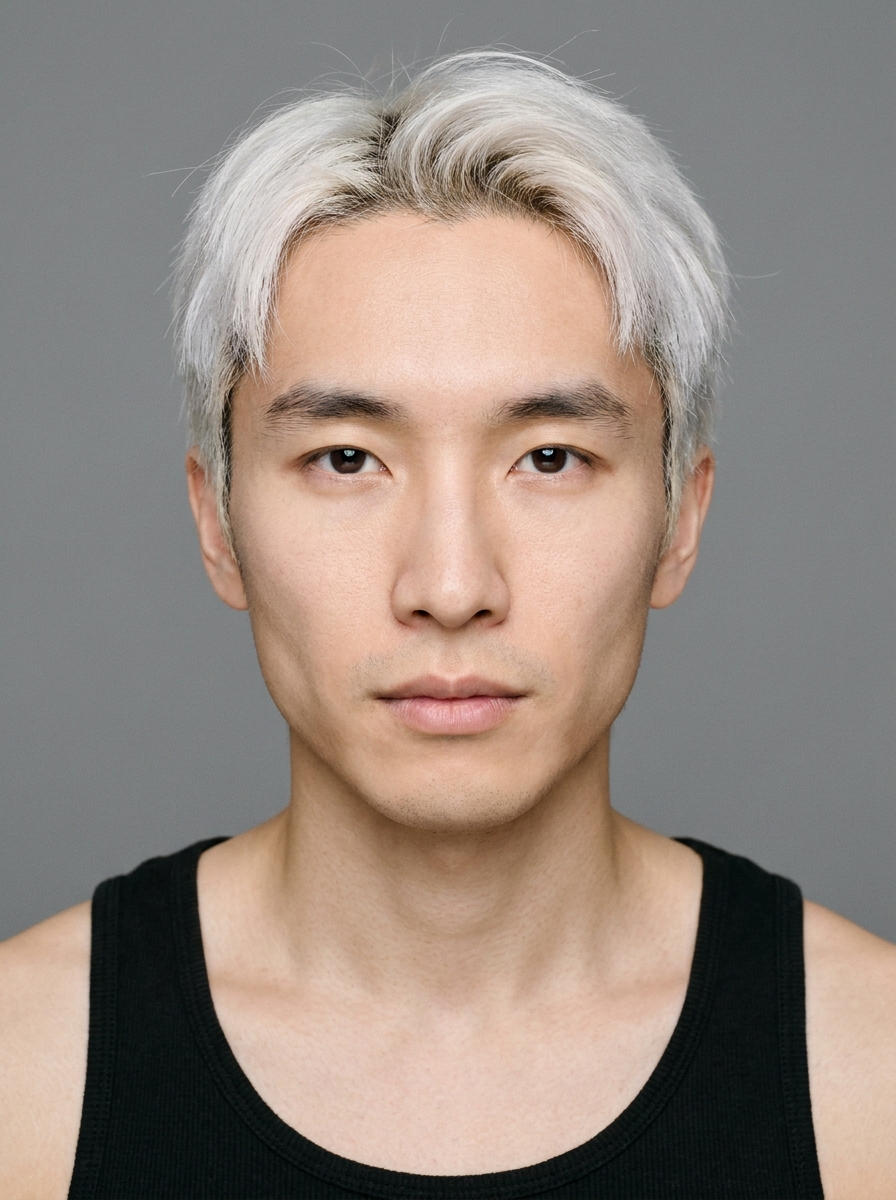
Ren
Tokyo

Ren
Shibuya

Amara
London

Amara
Mayfair
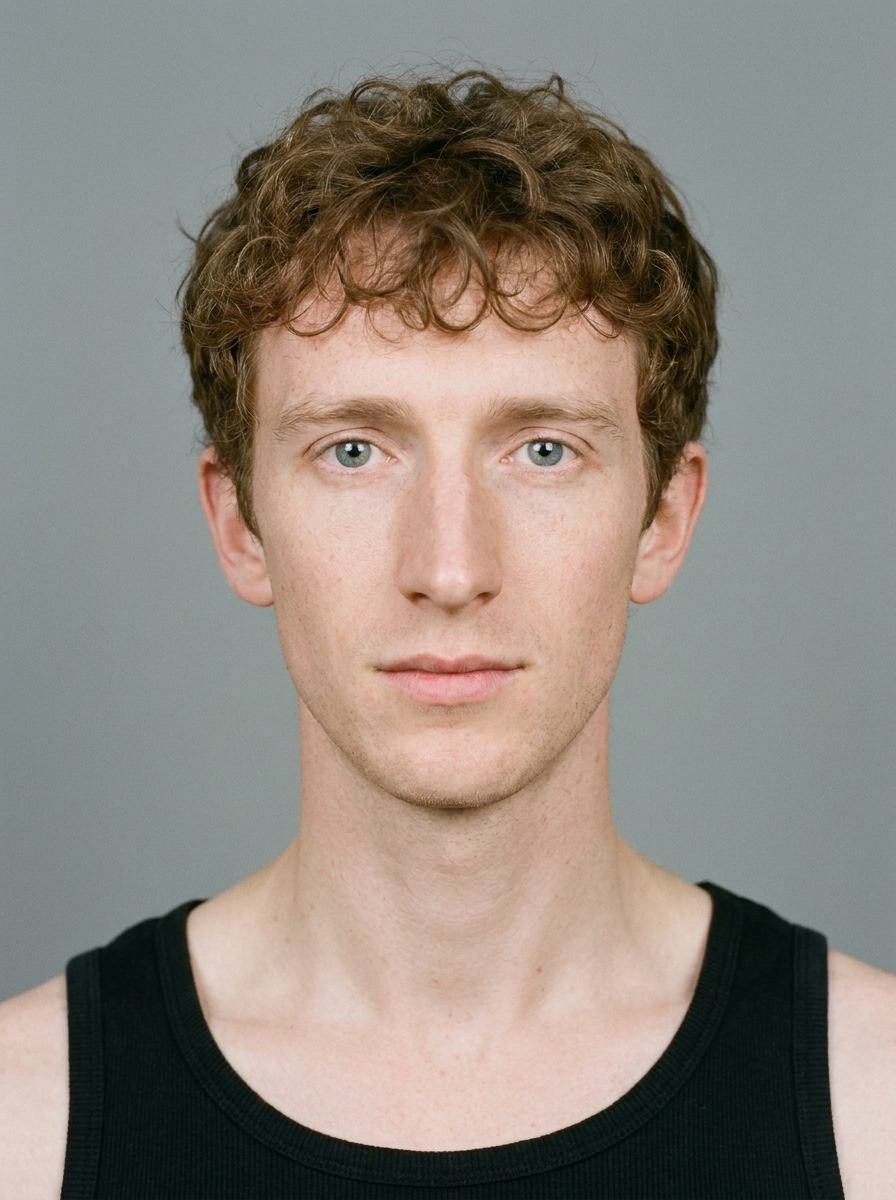
Oliver
London

Oliver
Notting Hill

Priya
London

Priya
Chelsea

Kai
Camden

Every Louveno frame is named for a neighborhood one of them knows by heart. Read where they came from, then find the frame they wear.

Miami
Salt air, hard light and long days outside. Four people who work in the open and wear frames that keep up.
Camila
“I stopped waiting to be on the stage. Now I dress it.”
The start
Camila grew up in Hialeah in the apartment above her grandmother's alterations shop. After school she sat under the cutting table with pins in her mouth while her grandmother hemmed quinceañera dresses and talked about Havana.
The dream
She wanted to dance. By sixteen she was training six days a week and had a spot waiting at a conservatory in New Jersey.
The wall
At nineteen she tore her ACL in rehearsal. The surgery went fine. The spot did not wait.
The turn
A friend's company needed someone to fix forty costumes the night before a show. Camila sat backstage until 3am taking in waists and moving hooks, and when the dancers walked out under the lights she cried harder than she ever had at her own recitals. She loved making people look the part, and she had been doing it her whole life.
The plan
She took her grandmother's old Singer to a rented closet on Collins Avenue and started styling music videos for anyone who would pay her in cash or credits.
The hard part
The first two years were broke. One director kept her on set fourteen hours and then never paid the invoice.
The win
A video she dressed went to number one on Latin radio, and the artist's team called her directly for the tour.
Today
Camila runs wardrobe for tours and campaigns out of a studio off Lincoln Road. She still keeps a pin cushion on her wrist. The South Beach frame goes on the minute she steps outside and stays on until the sun is down.
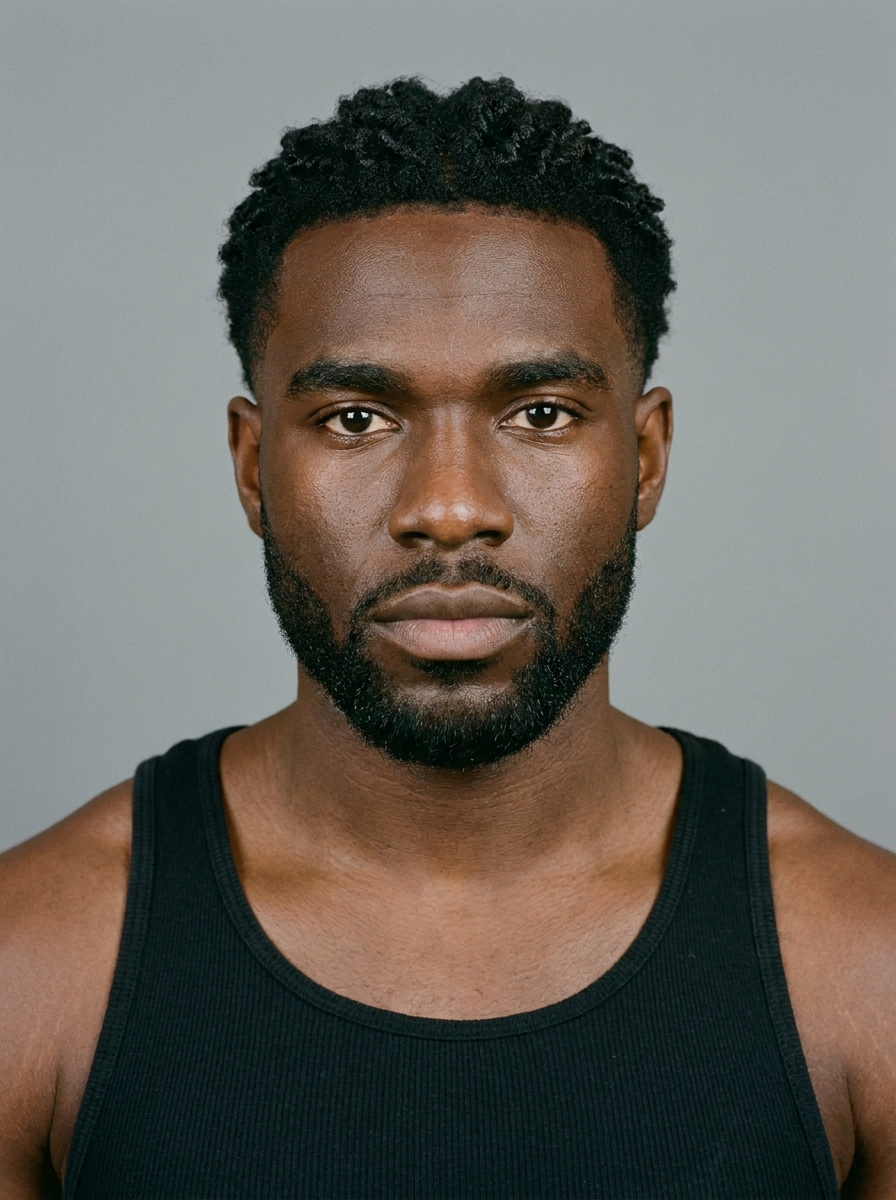
Andre
“I used to dress for the job I hated. Now I dress for the people I work for.”
The start
Andre's father drove a cab in Miami for thirty-one years and kept every receipt in shoeboxes under the bed. Andre did the family taxes from age fourteen.
The dream
He wanted the corner office in a Brickell tower, the one his father drove past every morning.
The wall
He got it. Eighty-hour weeks at an investment bank, and then a call that his father had collapsed on a fare and was in the ICU at Jackson.
The turn
In the hospital hallway, still in a suit, he opened his laptop and realized nobody in his whole book of clients looked like his father. The people who kept the city running had nobody in their corner with a spreadsheet.
The plan
He gave notice the week his father came home and started advising cab owners, barbers and restaurant families out of a borrowed desk in a Little Haiti co-op.
The hard part
His old colleagues called it a phase. For eight months he made less than his assistant used to.
The win
He helped a family bakery buy its building instead of losing the lease. Word spread from there, one shop to the next.
Today
Andre's firm has an office in Brickell again, ground floor, door open. His father stops in on Fridays. The Brickell pilot is the one thing from the old life he kept.

Sofia
“The best houses in this city were already built. They just needed someone to listen.”
The start
Sofia grew up in São Paulo drawing floor plans of every apartment her family rented. They moved to Miami when she was twelve, into a 1925 bungalow in the Grove with a banyan in the yard.
The dream
She wanted her name on a skyline. She studied architecture, joined a big firm and worked on glass towers.
The wall
Her design for a waterfront building won the commission. The partner presented it, and his name was the only one in the press.
The turn
That same month a developer bought the bungalow next to her mother's to tear it down. Sofia spent a weekend measuring every original beam and window in it, and it was the happiest she had been in years. She wanted to save buildings, and nobody else was going to do it.
The plan
She left the firm and offered to restore the house at cost if the buyer would keep it standing.
The hard part
The city permit office lost her plans twice, and the first restoration ran four months late.
The win
The house sold for more restored than the lot was worth empty. Two more owners on the street called her the next week.
Today
Sofia restores 1920s houses across the Grove under her own name. She works on site under the banyans most afternoons, and the Coconut Grove frame lives on the dashboard of her truck when it is not on her face.
Mateo
“The water does not care who you were yesterday.”
The start
Mateo learned to swim in the rivers outside Medellín, racing his cousins to a rock and back. His family moved to Miami when he was ten.
The dream
He wanted the Olympics. He swam for Colombia's national team in the 1500 meters and trained twice a day for eight years.
The wall
He missed the qualifying time by under a second. Twice.
The turn
On a bad morning he swam out past the buoys at Crandon Park with no clock and no lane lines. A group of women from a nearby condo were struggling in the chop, and he spent an hour swimming alongside them, calling out breathing counts. One of them had been scared of the ocean for forty years. He had spent his life racing the water, and what he loved was getting people into it.
The plan
He started a dawn open-water group at Crandon. Five dollars a swim, cash in a coffee can.
The hard part
A storm season wiped out three months of sessions and nearly the whole group.
The win
The group came back bigger. Two hundred swimmers now cross the bay with him for charity every spring.
Today
Mateo coaches open water off Key Biscayne at sunrise and runs the long crossing every April. The Biscayne shield is what he wears on the boat when he is reading the water for everyone else.

Tokyo
Quiet streets, sharp edges and every detail in its place. Four people who notice things first.
Aiko
“Most work is never seen because nobody gives it a wall.”
The start
Aiko grew up in Kanazawa, where her mother restored lacquerware in a workshop behind their house. She learned to be quiet around fine things.
The dream
She wanted to be a painter, and she moved to Tokyo for art school with one suitcase and a box of brushes.
The wall
Five years of rejection letters. Her work was good, and the galleries said so, and nobody had space.
The turn
She hung a friend's show in a borrowed laundromat in Ebisu, and sixty people came. Watching strangers stand in front of her friend's paintings, she felt more than she ever had in front of her own. She was best at giving other people's work a wall.
The plan
She put her savings into a ten-square-meter room above a soba shop and opened it to artists nobody else would show.
The hard part
The first year she slept in the gallery to save rent, and the landlord nearly closed her down for it.
The win
Two of her first artists were picked up by museums. Collectors now climb the soba shop stairs on opening nights.
Today
Aiko runs a real gallery in Ebisu with clean white walls and a long waiting list. She reads every artist's statement through the Ebisu frame, which sits on a chain around her neck between openings.
Kenji
“A good jacket is a quiet thing. You notice the man, not the cloth.”
The start
Kenji grew up in Osaka over his family's dry cleaners. He spent his childhood pressing other men's suits and reading the labels inside them.
The dream
He wanted to design for the big fashion houses in Paris. He moved there at twenty-two and worked his way into a design studio.
The wall
He spent four years drawing collections that were cut, sewn and fitted by other people in other countries. He never touched the fabric.
The turn
His father mailed him an old jacket with a note asking him to fix the lining. Kenji took the whole thing apart on his kitchen table in Paris and spent a week rebuilding it by hand. When he finished, it was the first thing he had made in four years that he could hold. He wanted to make clothes, not drawings of clothes.
The plan
He moved back to Japan and apprenticed under an old tailor in Ginza who took two apprentices a decade.
The hard part
The old man made him sew buttonholes for a year before he let him cut a single pattern.
The win
When his teacher retired, he left Kenji the shop, the shears and the client book.
Today
Kenji makes about sixty suits a year by hand in a narrow shop in Ginza. He chalks every pattern wearing the Ginza frame, and his customers have started asking where it came from.

Mei
“I grew up being looked at. So I learned to give people something to look at.”
The start
Mei was born in Accra and moved to Tokyo at six when her mother took a job at an embassy. She was the only Black kid in her school, and everyone stared.
The dream
She wanted to disappear. Through middle school she kept her head down and her hair tied back and said almost nothing.
The wall
At fourteen a group of older girls followed her home every day for a month. She stopped going out after school.
The turn
Her cousin from Accra visited and dragged her to a dance battle under the tracks in Shinjuku. Mei stood at the back for an hour, then got pulled into the circle. A hundred people were staring at her, and for the first time it felt like they were staring at something she chose to show them.
The plan
She trained in that circle every night for three years, mixing Azonto steps from home with Tokyo house.
The hard part
She lost her first eleven battles. Some of the judges told her the style did not belong in Japan.
The win
She won the national championship at twenty and then choreographed a tour for one of the biggest groups in J-pop.
Today
Mei teaches teenage girls on Friday nights under the same tracks where she started. The Shinjuku shield goes on for every outdoor rehearsal, rain or sun.
Ren
“I spent years trying to be invisible. The camera made it useful.”
The start
Ren was born in Seoul to a Korean father and a Japanese mother and moved between the two cities every few years. In each place he was the kid from the other one.
The dream
He wanted to belong somewhere. He tried out for a boy band in Seoul at seventeen and made it to the final round.
The wall
The label told him he did not look Korean enough. A Tokyo agency told him a month later he did not look Japanese enough.
The turn
He bought a used film camera with the money from a part-time job and walked Shibuya crossing at night for weeks. Nobody noticed him, and everyone in the photos looked like they belonged exactly where they were standing. He did not need to fit a mold. He needed a way to show people as they are.
The plan
He started photographing strangers in Shibuya and posting one portrait a night with the person's own words under it.
The hard part
His first exhibition sold one print, to his mother.
The win
A magazine in Seoul ran the series as a twelve-page feature, and the same Tokyo agency that turned him down hired him to shoot its campaigns.
Today
Ren shoots fashion and portraits between Tokyo and Seoul. He still walks the crossing most nights with the film camera, and the Shibuya frame is the one he wears to every shoot.

London
Grey skies, good tailoring and a city that never slows down. Four people who dress for all of it.
Amara
“They told me I did not look like a barrister. So I changed what one looks like.”
The start
Amara grew up in Peckham, the eldest of four. Her mother worked nights as a nurse, and Amara walked her siblings to school every morning in a coat two sizes too big.
The dream
She wanted to argue for a living. She read law at King's on a full scholarship and topped her year.
The wall
At her first pupillage interview, a senior clerk asked if she had come to the wrong building.
The turn
That night she found the camel trench her mother had bought in 1996 for her own nursing graduation and never worn. It fit perfectly. Amara wore it to the next interview, stood a little taller and stopped trying to look like anyone else in the room. She had been dressing to blend in, and blending in was the reason they did not see her.
The plan
She took the pupillage that offered her the hardest cases, the ones other juniors turned down.
The hard part
She lost her first three trials. A judge once corrected her pronunciation in open court.
The win
She won a landmark housing case for two hundred families in Southwark, and the chambers that once turned her away asked her to join them.
Today
Amara practices from chambers in Mayfair and mentors girls from her old school every month. She still wears her mother's trench, and the Mayfair cat-eye comes on as she walks out of court.
Oliver
“Every book in this shop was rescued from a skip by someone who cared.”
The start
Oliver grew up in a village in Yorkshire where the library van came on Tuesdays. He read everything on it twice and then started on the driver's own books.
The dream
He wanted to write the great English novel. He moved to London at twenty-two and wrote in cafés while working in a bank call centre.
The wall
Seven years, two finished novels, forty-one rejections.
The turn
He was walking past a shop clearance in Notting Hill as men threw boxes of old books into a skip. He climbed in and spent the afternoon pulling them out. A woman stopped and bought three from him on the pavement. He loved books more than he loved being the one who wrote them.
The plan
He took over the empty shop's lease month to month and filled it with the rescued books.
The hard part
The rent doubled in his second year, and he moved into the room above the shop to keep it open.
The win
The street's residents bought shares to keep the shop alive. It is now owned by three hundred neighbours.
Today
Oliver runs the shop on Portobello Road and hosts readings on Thursday nights. He is writing again, slowly, at the counter. The Notting Hill frame is always pushed up on his head until a customer asks for a recommendation.
Priya
“My grandmother never wrote anything down. I cook so it does not get lost.”
The start
Priya grew up in Leicester, where her grandmother ran the kitchen at every family wedding without a single written recipe.
The dream
She wanted the career her parents were proud to mention at weddings. She became a management consultant in the City.
The wall
At twenty-nine she was burnt out, and her grandmother was losing her memory. The recipes were going with it.
The turn
She took a month off and stood beside her grandmother every day, writing down measurements as she cooked by hand. On the last day her grandmother forgot Priya's name but still made the dal perfectly. Priya realized the food was the part of her family that would last, if someone carried it.
The plan
She quit consulting and ran a supper club out of her flat, eight guests a night, her grandmother's food only.
The hard part
Her parents did not speak to her about it for six months. The first restaurant lease fell through a week before opening.
The win
Her restaurant in Chelsea opened with a two-month waiting list and earned its first major review in the same year.
Today
Priya runs the kitchen in Chelsea and goes home to Leicester every other Sunday. Her grandmother's handwritten notes are framed by the pass. She reads every ticket through the Chelsea frame.

Kai
“I was angry for ten years. The gym gave it somewhere to go.”
The start
Kai grew up on an estate in Camden with his Jamaican mum and his English grandad, a retired boxer who still shadowboxed in the kitchen.
The dream
He wanted to get out. By fifteen he was fighting in the street more than he was at school.
The wall
At seventeen he was arrested after a fight outside a chicken shop and spent a night in a cell.
The turn
His grandad picked him up from the station and drove him straight to an old gym under the railway arches. He made Kai hit the bag until he could not lift his arms. Walking home, Kai felt calm for the first time in years. He had never needed to get away from himself. He needed something to put it into.
The plan
He trained at that gym every day for six years and boxed as an amateur for England.
The hard part
A detached retina ended his career two fights before the Commonwealth Games trials.
The win
He took over the arch when the old owner retired and turned it into a free gym for kids from the estates.
Today
Kai coaches six nights a week in Camden, and three of his kids are on the national squad. The Camden frame is the one he wears on the morning runs along the canal.
